Towing Service Fayetteville, AR: What to Do When Your Vehicle Cannot Continue
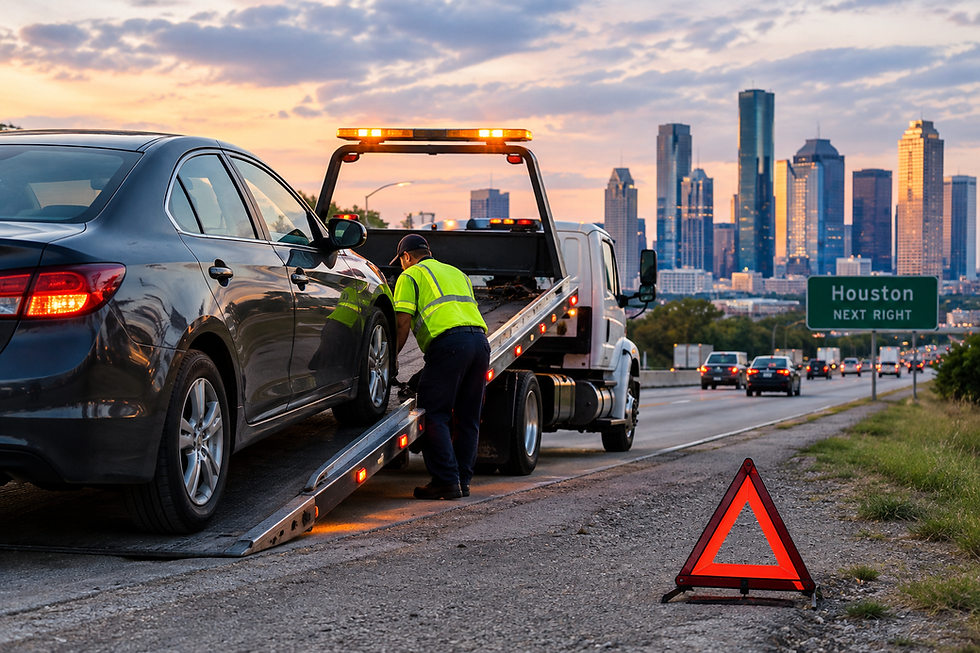
A vehicle that suddenly will not move can turn an ordinary trip into a stressful situation. A dead battery, flat tire, overheating engine, collision, or mechanical failure may leave you wondering whether you can drive the vehicle somewhere safely or need professional assistance.
For drivers in Fayetteville, Arkansas, the first priority is not getting the vehicle moving at any cost. It is keeping people safe, assessing the situation, and choosing the right type of help.
This practical guide explains what to do when your vehicle cannot safely continue, how to prepare for a tow, and what drivers should consider before requesting roadside assistance.
First, Decide Whether the Vehicle Is Safe to Drive
The most important question is simple: Can the vehicle safely continue under its own power?
Some problems are minor enough for a roadside solution. Others can become more expensive or dangerous if you keep driving.
Stop driving and consider professional assistance if you notice:
Significant fluid leaking from the vehicle
Smoke or unusual burning smells
Severe engine overheating
Major steering or braking problems
Serious tire damage
A vehicle that has been involved in a collision
Loud mechanical noises that suddenly appeared
Warning signs that suggest continued driving could cause further damage
If you are stopped in a dangerous location, especially near moving traffic, focus on getting yourself and your passengers to a safer position rather than attempting a roadside repair.
What Information Should You Give the Towing Provider?
A towing provider can respond more efficiently when you explain the situation clearly.
Before calling, gather the basic details you can safely provide:
Your location — Give the street, nearby landmark, business, intersection, or other useful identifying information.
Vehicle type — Mention the make, model, and approximate size of the vehicle.
The problem — Explain whether the vehicle has a flat tire, dead battery, mechanical failure, collision damage, or another issue.
Vehicle condition — Say whether it starts, rolls, steers, or can be shifted into neutral.
Destination — If you already know where the vehicle needs to go, provide that information.
Access concerns — Mention if the vehicle is in a parking garage, on soft ground, facing an obstruction, or positioned somewhere difficult to access.
This information helps the provider understand what equipment and approach may be appropriate.
When Is Light-Duty Towing the Right Choice?
Light-duty towing is generally intended for smaller vehicles such as passenger cars, SUVs, and many light trucks. The exact equipment used depends on the vehicle and its condition.
For example, a car with a dead battery may only need a jump-start if everything else is working properly. A vehicle with a damaged wheel, locked steering, or collision damage may require towing instead.
The key issue is not simply the vehicle's size. Its condition and the circumstances of the breakdown also matter.
If you need Light Duty Towing Fayetteville, AR, describe the vehicle and its problem when arranging assistance. This gives the towing provider a better opportunity to determine what type of recovery equipment is suitable.
Why Trying to Move a Disabled Car Yourself Can Backfire
A common mistake is treating every breakdown as a problem that can be solved with a quick push, pull, or improvised repair.
That approach can create additional risks.
For instance, a vehicle with a damaged steering component may not respond normally when moved. A car with a severely damaged tire can also be unsafe to drive even if the engine starts. After a collision, hidden mechanical or structural damage may not be obvious.
There is also the risk of placing yourself near moving traffic while attempting to work on the vehicle.
When the problem is beyond a simple and safe roadside fix, arranging professional Car Towing service is often the more practical option.
What Drivers Often Overlook While Waiting
Once help has been requested, many drivers focus entirely on the vehicle and forget about their own surroundings.
If conditions allow, consider these precautions:
Turn on hazard lights when appropriate.
Stay aware of passing traffic.
Keep passengers away from the roadway.
Avoid standing directly behind or in front of the disabled vehicle.
Keep your phone available for communication.
Take note of nearby signs, intersections, or landmarks that can help the driver locate you.
Do not attempt a repair that requires you to work in an unsafe traffic position.
If the vehicle is stopped somewhere hazardous, such as a busy roadway, follow local emergency guidance and prioritize personal safety.
What If the Vehicle Has a Flat Tire or Dead Battery?
Not every roadside problem automatically requires a tow.
A flat tire may be manageable if the tire can be safely changed and the vehicle is in a secure location. A dead battery may sometimes be resolved with a jump-start.
However, the circumstances matter.
If you do not have the correct equipment, the vehicle is positioned dangerously, the tire is severely damaged, or you are unsure how to perform the repair safely, professional roadside assistance is a better choice than taking unnecessary risks.
The same principle applies to fuel-related problems. If a vehicle has run out of fuel, the safest solution depends on the location and circumstances rather than attempting to walk along a busy roadway or improvise a solution.
How to Choose a Towing Provider
When you need towing unexpectedly, it is tempting to choose the first number you find. Taking a moment to confirm the basics can prevent confusion later.
Before arranging service, ask:
What type of vehicle can you handle?
What information do you need about the breakdown?
Where will the vehicle be taken?
Are there access limitations at the pickup location?
What should I do while waiting for the driver?
Availability, equipment, and service details can vary between providers, so clear communication is useful.
A Simple Breakdown Checklist
Keeping a basic emergency plan in your vehicle can make an unexpected breakdown easier to manage.
Consider carrying:
A charged phone or backup power bank
Vehicle registration and insurance information
A flashlight
Reflective safety equipment
Basic emergency supplies
Necessary medications and personal essentials for longer trips
You should also know how to describe your usual vehicle's make, model, and location clearly when requesting assistance.
The goal is not to prepare for every possible mechanical failure. It is to make the first few minutes after a breakdown less confusing.
Frequently Asked Questions
When should I call a towing service?
Call for towing when the vehicle cannot safely continue, has suffered significant mechanical or collision damage, or cannot be moved safely without professional equipment.
Can a towing provider help with a vehicle that will not start?
In some situations, roadside assistance may be able to diagnose a simple issue or provide a jump-start. If the vehicle still cannot operate safely, towing may be necessary.
Is light-duty towing suitable for passenger cars?
Light-duty equipment is commonly used for passenger vehicles and other smaller vehicles, but the appropriate method depends on the vehicle's size, condition, and location.
What should I do if my vehicle breaks down near traffic?
Move yourself and passengers to a safer location when possible, use hazard lights as appropriate, and avoid standing in traffic or attempting unsafe repairs. If the situation presents an immediate danger, seek emergency assistance.
Should I keep driving if my vehicle is making unusual noises?
Not necessarily. Serious noises, smoke, overheating, steering problems, braking issues, or other warning signs can indicate that continuing to drive may be unsafe or cause additional damage. Stop in a safe location and seek appropriate assistance.
The Practical Approach to a Vehicle Breakdown
A breakdown does not always mean the vehicle needs a tow, but it should never be treated casually when safety is uncertain. Start by assessing the situation, move away from danger when possible, and explain the vehicle's condition clearly when requesting assistance.
For Fayetteville drivers, having a basic roadside plan and knowing when professional towing is appropriate can make an unexpected problem much easier to manage. The best next step is usually the safest one: protect the people first, assess the vehicle second, and arrange the right assistance when the car cannot safely continue.
Comments