Tire Service Charlotte, NC: When a Tire Problem Means You Should Tow

A damaged tire does not always mean the vehicle needs to be towed. Sometimes a spare tire, inflation, or professional roadside assistance can get the vehicle moving again. In other situations, driving even a short distance can create additional risk or damage.
The difficult part is knowing the difference while standing beside a disabled vehicle. A tire may look like the only problem, but damage to the wheel, suspension, steering system, or vehicle body can change the safest recovery option. For drivers in Charlotte, NC, understanding that distinction can make a roadside breakdown easier to manage.
This guide explains how to assess a tire-related problem, when roadside assistance may be appropriate, and when transporting the vehicle is the more practical choice.
Start by Determining Whether the Vehicle Can Safely Move
The first question should not be, “Can I make it to a repair shop?” It should be, “Can the vehicle move without creating an unsafe situation?”
A tire that has gradually lost air may have a different solution from a tire that has separated, shredded, or come off the wheel. Likewise, a vehicle involved in a collision should not automatically be treated as a simple flat-tire situation.
Before attempting to move the vehicle, consider:
Is the tire completely flat?
Is the sidewall visibly damaged?
Is the wheel bent, cracked, or visibly displaced?
Does the vehicle pull sharply to one side?
Are there unusual noises or vibrations?
Is there visible damage around the wheel?
Did the tire failure happen after an impact?
Can the vehicle be moved without entering an unsafe traffic area?
If the answer to any of these questions raises concern, professional assistance is preferable to taking a chance on driving.
Not Every Tire Failure Calls for the Same Response
A useful way to think about roadside tire problems is to separate them into three categories: repairable inconvenience, uncertain condition, and obvious vehicle recovery need.
A repairable inconvenience might involve a tire that has lost air but has no visible structural damage. Depending on the situation, a qualified roadside professional may be able to inflate the tire, install a usable spare, or provide another appropriate solution.
An uncertain condition is harder to judge. The tire may have been driven while underinflated, the cause of the air loss may be unclear, or the wheel may have suffered an impact. In these cases, moving the vehicle before the condition is inspected can be a poor choice.
An obvious recovery need exists when the vehicle cannot safely roll under its own power. Severe tire damage, multiple damaged tires, wheel problems, collision damage, or a vehicle sitting in an unsafe position can all make towing a more appropriate response.
The key is that the visible tire is not always the full extent of the problem.
How Tire Damage Can Change the Towing Decision
Tire damage comes in many forms, and appearance alone does not always reveal whether a vehicle is safe to drive.
For example, a small puncture in the tread can be very different from a damaged sidewall. A sidewall failure can compromise the tire's structure, making continued driving inappropriate. Similarly, a bent wheel may prevent proper tire seating and create another safety concern.
There is also a difference between losing air while parked and continuing to drive on a severely underinflated tire. The latter can potentially cause additional tire damage.
If the vehicle has been involved in a crash, the driver should also consider components behind the wheel. Steering or suspension damage may not be obvious from a quick visual inspection.
This is where Tire Service Charlotte, NC,28202 USA can involve more than simply replacing rubber. A roadside professional may need to determine whether the vehicle can be safely returned to the road or should instead be transported for inspection.
When an Emergency Response Is More Appropriate
A tire problem becomes more urgent when the vehicle is located somewhere that creates additional danger.
For example, a disabled vehicle near moving traffic, in a difficult roadside position, or in another unsafe location may require a faster professional response. The driver should focus on getting themselves and passengers to a safer position when possible rather than attempting a complicated repair beside the vehicle.
An emergency response can also make sense when:
The tire has completely failed.
There is visible wheel or suspension damage.
More than one tire is damaged.
The vehicle cannot maintain normal control.
The driver does not have a suitable spare.
The spare tire is missing, damaged, or unsuitable.
The vehicle has been involved in a collision.
The location makes roadside repair unsafe.
The correct repair cannot be completed safely.
The objective is not simply to get the vehicle moving. It is to resolve the problem without turning a tire failure into a larger roadside incident.
What Emergency Tire Service Should Actually Solve
When drivers search for Emergency Tire Service Charlotte, NC,28202 USA, they may be looking for several different types of help. The right response depends on the condition of the vehicle.
Possible roadside assistance may include inspecting the tire, adding air when appropriate, changing a tire with a usable spare, or determining that the vehicle needs transportation instead.
A professional should have enough information to understand the situation before choosing an approach. The driver can make that process easier by providing accurate details rather than simply saying, “I have a flat.”
Useful information includes:
Vehicle type: Give the year, make, model, and approximate vehicle size.
Location: Provide the safest available description of where the vehicle is stopped.
Problem: Explain whether the tire is flat, damaged, separated, or leaking.
Visible damage: Mention wheel, body, suspension, or collision damage.
Spare availability: Say whether a spare tire and required equipment are present.
Vehicle condition: Explain whether the vehicle can move at all.
Clear information helps the responding professional prepare for the situation instead of arriving without knowing what equipment may be required.
The Overlooked Problem: Driving on a Damaged Tire
One of the easiest mistakes to make is treating a short drive as harmless.
A driver may think, “The repair shop is only a few blocks away.” But distance does not automatically make driving safe. If the tire is severely damaged or the wheel is compromised, even a short trip may worsen the problem.
Driving can also create complications when the vehicle's handling has changed. Steering pull, vibration, unusual noise, or instability should not be ignored simply because the destination is nearby.
If the condition of the tire or vehicle is uncertain, stopping and getting professional guidance is generally safer than experimenting with the vehicle on public roads.
What to Do While Waiting for Help
Once assistance has been requested, the driver's priority should be personal safety.
If the vehicle can be left in a secure position, avoid unnecessary activity around it. Do not stand in an active traffic lane to inspect the tire, and do not attempt a repair in a location where passing vehicles create an obvious hazard.
If conditions are unsafe, follow local emergency guidance and prioritize moving away from immediate danger when it can be done safely.
While waiting, keep useful information available for the responding provider, including:
Exact vehicle description
Current location
Direction of travel, if relevant
Nature of the tire problem
Whether passengers are present
Whether the vehicle is blocking traffic
Whether a spare tire is available
These details can help reduce confusion when roadside assistance arrives.
Choosing Between a Tire Fix and a Tow
The decision can be simplified with one practical question:
Will the proposed repair restore the vehicle to a condition in which it can be operated safely?
If yes, a suitable roadside tire solution may be enough.
If no, towing becomes more reasonable.
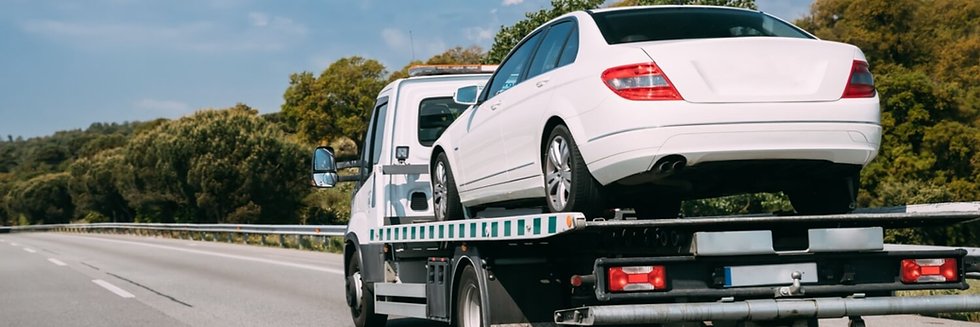
Consider towing when the tire cannot be safely repaired or replaced at the roadside, when the wheel is damaged, when the vehicle has additional mechanical or collision damage, or when there is uncertainty about whether the vehicle is safe to drive.
Towing is also useful when the destination is a repair facility and the vehicle should not be driven there under its current condition.
This approach avoids treating towing as a last resort. In some situations, transportation is simply the safest way to move a disabled vehicle.
What Drivers Should Check Before a Tire Emergency Happens
Preparation does not prevent every flat tire, but it can make a roadside problem much easier to handle.
Before a long drive, drivers can check whether the vehicle has:
A properly inflated spare, if the vehicle is equipped with one
A functioning jack and required tire-changing tools
A tire-pressure monitoring system that is working normally
An accessible owner's manual
Emergency contact information
A flashlight or other basic visibility equipment
A way to communicate their location if they become stranded
Drivers should also become familiar with the vehicle's recommended tire-pressure information and understand that the number may differ between the front and rear tires or under different loading conditions.
Most importantly, knowing where the spare and tools are located can save valuable time during an actual breakdown.
A Simple Roadside Decision Test
When a tire fails, use this sequence before deciding whether to drive:
1. Is the location safe?If not, prioritize personal safety and appropriate emergency assistance.
2. Is the tire structurally damaged?Visible sidewall damage, severe separation, or other major damage is a reason for caution.
3. Is the wheel or vehicle damaged?If the problem extends beyond the tire, towing may be necessary.
4. Is there a suitable spare or appropriate roadside solution?If not, the vehicle may need transportation.
5. Is the vehicle behaving normally?Pulling, shaking, unusual noise, or poor control should not be ignored.
6. Is there any uncertainty?When the driver cannot confidently determine that the vehicle is safe to operate, professional assessment is the safer path.
This framework is more useful than deciding based only on how close the repair shop appears to be.
Frequently Asked Questions
Can I drive a short distance on a flat tire?
Generally, driving on a completely flat or visibly damaged tire should be avoided. Continuing to drive can damage the tire further and may affect vehicle control. If a safe roadside solution is not available, professional assistance or towing may be appropriate.
How do I know if a flat tire needs towing?
Towing may be necessary when the tire cannot be safely repaired or replaced, the wheel is damaged, the vehicle has additional damage, there is no suitable spare, or the vehicle cannot be operated safely. When the condition is uncertain, professional assessment can help determine the appropriate recovery method.
Is a spare tire always enough to avoid a tow?
No. A spare may not be suitable for every vehicle or situation, and installing one does not address separate wheel, suspension, steering, or collision damage. The vehicle should only be driven if its overall condition is safe for operation.
What information should I give when requesting emergency tire assistance?
Provide the vehicle's make and model, your location, the nature of the tire problem, any visible wheel or vehicle damage, whether a spare is available, and whether the vehicle can move. Accurate details help the responding provider understand what type of assistance may be needed.
Should I attempt a tire change beside a busy road?
Not if doing so would place you in danger from passing traffic or another roadside hazard. Personal safety comes first. If the location is unsafe or you are not confident that the repair can be completed safely, professional roadside assistance is a better option.
The Practical Bottom Line
A tire failure should be assessed as a vehicle safety problem, not simply as a tire problem. The condition of the tire matters, but so do the wheel, steering, suspension, vehicle position, and surrounding environment.
If a safe roadside solution can restore the vehicle to normal operating condition, towing may not be necessary. If significant damage exists or the vehicle cannot safely continue, transportation to a suitable repair location can prevent further problems.
When in doubt, avoid turning a manageable tire failure into a larger roadside emergency. Stop, assess the situation from a safe position, and choose assistance based on the vehicle's actual condition.


Comments