Towing Service Memphis, TN: What Drivers Should Know About Tire Problems
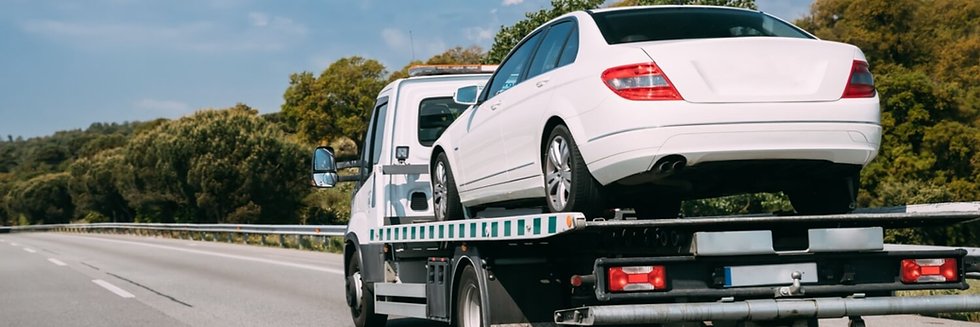
A tire problem can change a normal trip into a roadside emergency within minutes. A slow leak may give a driver time to find a safe stopping point, while a sudden blowout can leave the vehicle difficult or unsafe to control. For drivers searching for Towing service Memphis, TN, the key question is not always whether the vehicle needs a tow. It is whether the tire problem can be handled safely where the vehicle has stopped.
The right response depends on the condition of the tire, the location of the vehicle, the type of damage, and whether the vehicle can be moved without creating additional risk. Understanding these factors helps drivers decide between tire assistance, a tire shop, roadside help, or transportation to another location.
What Should You Do When a Tire Problem Starts?
Start by reducing speed gradually and looking for a safe place to stop. Avoid sudden braking or sharp steering, particularly if the vehicle feels unstable.
Once stopped, turn on the hazard lights and assess the situation from a safe position. If the vehicle is close to active traffic, do not stand in the roadway to inspect the tire.
Look for obvious signs such as:
A completely flat tire
Visible sidewall damage
A damaged wheel
A tire that has separated or come apart
Unusual vibration before the vehicle stopped
A warning from the vehicle's tire-pressure monitoring system
The appearance of the tire can help determine what type of assistance may be appropriate, but drivers should not attempt a repair if doing so would place them in danger.
Can Every Tire Problem Be Fixed on the Road?
No. Some tire problems may be repairable, while others require replacement or vehicle transportation.
A small puncture in a suitable part of the tread can sometimes be addressed by a qualified tire professional. A damaged sidewall, severely compromised tire, or damaged wheel may require a different solution.
The location of the vehicle also matters. A repair that might be reasonable in a driveway is not necessarily appropriate beside a busy roadway.
When the vehicle cannot be safely driven, arranging professional roadside assistance or Towing service Memphis, TN may be more practical than attempting to continue the trip.
How Can You Tell Whether the Vehicle Is Safe to Drive?
A tire should not be treated as a minor problem simply because the vehicle still moves.
Avoid driving if the tire is visibly damaged, completely flat, losing air quickly, or causing severe vibration or handling problems. Continuing to drive on a damaged tire can create additional vehicle problems and reduce control.
Drivers should also consider the wheel. If the vehicle struck a curb, pothole, object, or another obstacle, damage may extend beyond the tire itself.
When there is uncertainty, professional inspection is safer than guessing.
What Should You Know About Tire Service in Memphis?
Tire service can involve several types of assistance, including tire inspection, repair when appropriate, replacement, inflation, or help with a roadside flat.
The exact solution depends on the tire's condition and the equipment available.
A useful first step is to explain the problem clearly. For example, tell the provider whether the tire is completely flat, whether there was a sudden blowout, whether a warning light appeared, or whether the vehicle struck something before the problem started.
That information can help determine whether roadside tire assistance is appropriate or whether the vehicle should be transported.
What If You Do Not Have a Spare Tire?
Many drivers do not have a usable spare available when a tire fails. Some vehicles have temporary spares, while others may have tire-repair equipment or no conventional spare.
Before attempting anything, check the vehicle manufacturer's recommended procedure and consider the location of the breakdown.
If there is no usable spare and the tire cannot safely be repaired at the roadside, professional assistance may be necessary.
The important point is to avoid improvising a solution that could make the vehicle less safe.
When Is Towing the More Practical Choice?
Towing becomes more relevant when the vehicle cannot safely continue.
Consider professional transportation when:
The tire is severely damaged.
The wheel appears damaged.
The vehicle has handling problems after the tire failure.
There is no suitable spare.
The breakdown occurred in a dangerous location.
More than one tire is affected.
The vehicle was involved in a collision.
The driver is unsure whether the vehicle is safe to operate.
A tow can also make sense when the driver needs the vehicle taken directly to a tire shop or repair facility rather than attempting roadside work.
What If the Tire Fails After a Collision?
A collision can create hidden damage that is not immediately visible.
Even if the tire appears to be the obvious problem, the wheel, suspension, steering components, or other parts may also have been affected.
In this situation, driving away from the scene can create additional risk. If the vehicle does not appear safe to operate, professional towing may be the appropriate next step.
Drivers should also follow any applicable emergency or law-enforcement instructions at the scene rather than attempting to move a damaged vehicle unnecessarily.
Things Drivers Often Overlook
One overlooked issue is the difference between tire damage and the cause of the tire damage.
For example, a tire may be flat because of a puncture, but a driver may not notice that the vehicle also has wheel damage. Similarly, repeated loss of tire pressure can indicate an issue that needs more than simply adding air.
Another consideration is the condition of the other tires. If one tire has failed because of wear, checking the remaining tires can help identify whether there is a broader maintenance concern.
The immediate emergency should be handled first, but the underlying cause should not be ignored.
What Information Should You Give a Roadside Provider?
Clear information can make roadside assistance easier to coordinate.
Be ready to provide:
Your location or a nearby landmark.
Vehicle make, model, and approximate size.
The number of affected tires.
Whether the vehicle can move.
Whether the tire is completely flat.
Whether the wheel appears damaged.
Whether a collision or road impact occurred.
Whether the vehicle has a spare tire.
If the vehicle is in a hazardous position, explain that immediately so the provider understands the circumstances.
A Practical Memphis Roadside Scenario
Consider a hypothetical driver in Memphis who notices a strong vibration while traveling and then sees the tire-pressure warning appear. The driver slows down and reaches a safe stopping location instead of continuing toward the destination.
After inspecting the situation from a safe position, the driver finds that one tire has lost most of its air and the wheel may have been affected.
Because the vehicle's condition is uncertain, the driver does not continue driving. Instead, the driver provides the location and explains the tire and wheel symptoms to a roadside provider.
The provider can then determine whether tire assistance is appropriate or whether transporting the vehicle is safer.
The important decision is not simply "Can the car still move?" It is "Can the car be operated safely?"
What Tire-Related Mistakes Should Drivers Avoid?
Several common decisions can make a tire emergency worse.
Avoid:
Driving for a long distance on a flat tire.
Standing between the vehicle and active traffic.
Attempting a roadside repair in an unsafe location.
Ignoring visible sidewall damage.
Assuming a damaged tire is the only damaged component.
Using an unsuitable temporary solution.
Continuing to drive after severe vibration or loss of control.
Delaying professional inspection after a significant impact.
If the location itself is dangerous, personal safety should take priority over inspecting the tire.
How Can Memphis Drivers Prepare for a Tire Emergency?
A small amount of preparation can make a roadside tire problem easier to manage.
Check periodically that your vehicle has the equipment it is supposed to have, such as a spare tire, jack, or manufacturer-provided tire-repair equipment.
It is also useful to know:
Where the spare tire is stored
Whether the spare is properly inflated
Where the vehicle's jack and tools are located
What tire-pressure information the vehicle requires
How to access roadside assistance
How to describe your location accurately
Preparation is particularly useful before longer trips, when a tire problem may occur far from a familiar repair facility.
Should You Repair the Tire, Replace It, or Tow the Vehicle?
The answer depends on the damage.
Situation | Possible next step |
Minor issue in a safe location | Professional tire inspection |
Suitable repairable puncture | Tire repair by a qualified professional |
Severe sidewall damage | Tire replacement may be necessary |
Damaged wheel | Professional inspection |
No spare and unsafe location | Roadside assistance or towing |
Collision-related tire damage | Vehicle inspection and possible towing |
Vehicle has handling problems | Avoid driving and seek professional assistance |
This is not a substitute for an inspection. It is simply a way to organize the decision.
What Should You Know About Tire service Memphis, TN?
Tire service Memphis, TN can help address a range of tire-related problems, from roadside flat-tire assistance to inspection, repair, or replacement when appropriate.
The most important consideration is matching the service to the actual condition of the vehicle. A tire with minor damage may require a different response from a tire with sidewall failure or a damaged wheel.
If the vehicle cannot safely continue, towing can provide a way to move it to an appropriate repair location without requiring the driver to operate a potentially unsafe vehicle.
FAQs
Can I drive a short distance on a flat tire?
Driving on a flat tire can damage the tire, wheel, or other components and may affect vehicle control. If the tire is completely flat or visibly damaged, professional assistance is the safer approach.
What should I do if my tire blows out while driving?
Keep control of the vehicle, reduce speed gradually, avoid abrupt steering or braking, and move to a safe location when possible. Turn on hazard lights after stopping.
Do I need towing if I have a flat tire?
Not necessarily. If the tire can be safely addressed through appropriate roadside assistance, towing may not be required. However, severe damage, a damaged wheel, lack of a usable spare, or an unsafe vehicle condition can make towing appropriate.
Can a damaged tire always be repaired?
No. Whether a tire can be repaired depends on factors such as the location and severity of the damage and the tire's overall condition. A qualified tire professional should make that determination.
What if my vehicle has a flat tire after hitting a pothole?
Do not assume the tire is the only damaged part. The wheel, steering, or suspension may also need inspection. If the vehicle does not feel safe to drive, avoid continuing and arrange professional assistance.
Make the Decision Based on the Vehicle's Condition
A tire problem does not automatically mean a vehicle needs to be towed, but it should never be treated casually when safety is uncertain.
The practical approach is to stop somewhere as safely as possible, assess the situation without exposing yourself to traffic, and explain the vehicle's condition accurately when requesting assistance.
If the tire can be professionally handled at the roadside, that may resolve the problem. If the tire, wheel, or vehicle cannot safely continue, transportation to an appropriate repair location may be the better next step.


Comments