Towing Service Baton Rouge, LA: What to Do When Your Car Runs Out of Fuel
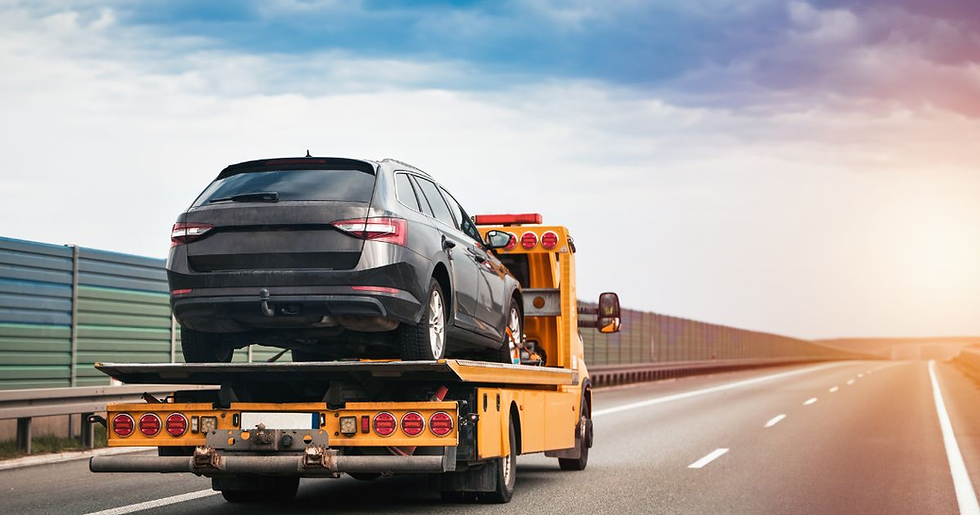
Running out of fuel is frustrating, but the situation becomes more serious when it happens on a busy road, at night, or in an unfamiliar area. Many drivers immediately assume that the vehicle needs to be towed. In some cases, however, the car itself is fine and only needs enough fuel to continue safely.
Knowing the difference between a fuel-related roadside problem and a mechanical breakdown can help you request the right assistance. It can also prevent an unnecessary attempt to drive or move a disabled vehicle in an unsafe location.
Does Running Out of Fuel Mean You Need a Tow?
Not necessarily. If the vehicle is mechanically sound and the only problem is an empty fuel tank, fuel delivery may resolve the situation without transporting the car.
However, towing may become necessary when the vehicle has another problem, cannot be safely restarted, or is stranded in a location where remaining there creates a significant safety concern.
A useful first question is: Is the vehicle unable to move because it has no fuel, or is there another reason it cannot operate?
That distinction can determine what type of roadside assistance you need.
What Should You Do After Running Out of Fuel?
Once you realize the vehicle has run out of fuel, focus on getting yourself and other occupants into a safer position.
If the vehicle can be moved safely before it becomes completely disabled, get it away from active traffic. If it is already stopped, turn on the hazard lights when appropriate and avoid standing in or near moving lanes.
Then:
Assess the surroundings. Consider traffic, visibility, weather, and the vehicle's position.
Stay away from active traffic. Do not walk along a busy roadway looking for a gas station.
Use your hazard lights when appropriate. They can make the disabled vehicle more visible.
Contact appropriate roadside assistance. Explain that the vehicle has run out of fuel.
Provide a clear location. Give the road name, direction of travel, nearby intersection, exit, or landmark if safely available.
Tell the provider about additional problems. Mention warning lights, unusual noises, damage, or any reason the vehicle may not restart after fuel is supplied.
Walking several miles with a fuel container may seem like a quick solution, but it can expose you to unnecessary traffic and other roadside hazards.
When Can Fuel Delivery Solve the Problem?
Fuel delivery Baton Rouge, LA can be useful when the vehicle is otherwise operational but has an empty tank. The service provides fuel at the vehicle's location so the driver can potentially continue to a suitable fueling station.
Before requesting assistance, confirm that running out of fuel is actually the problem. A vehicle that stopped because of an engine, electrical, or fuel-system fault may not operate simply because additional fuel is added.
This is especially relevant when the vehicle had fuel but suddenly stopped. In that situation, describe the symptoms rather than assuming the tank is empty.
What If the Car Still Will Not Start?
If fuel has been added but the engine still does not start, the problem may be unrelated to the empty tank.
Possible causes can include a weak battery, electrical fault, starter problem, or another mechanical issue. Diagnosing the exact cause may require professional assessment.
Avoid repeatedly attempting to start a vehicle when there are signs of a serious problem. If the car remains disabled, arranging transportation to an appropriate repair location may be more practical.
When Is Towing the Better Choice?
Towing becomes more appropriate when the vehicle cannot safely or reliably continue.
Situations may include:
The engine will not restart after fuel is supplied
The vehicle has a mechanical failure
There is visible collision damage
The steering or braking system appears compromised
A tire or wheel prevents safe movement
The vehicle has overheated
Warning signs indicate continued driving could cause damage
The vehicle is disabled and needs transportation to a repair facility
When requesting a Car Towing service Baton Rouge, LA explain the vehicle's condition before the operator arrives. Information about whether the car starts, rolls, steers, and has visible damage can help determine the appropriate equipment.
A Practical Example for Baton Rouge Drivers
Imagine a driver traveling across Baton Rouge who notices the fuel gauge has reached empty and the engine stops. The vehicle is safely positioned away from moving traffic, and there are no signs of mechanical trouble.
In that situation, fuel delivery may address the immediate problem. After receiving fuel, the driver can determine whether the vehicle starts and operates normally.
Now consider a different situation. The driver adds fuel, but the vehicle still will not start and had been making unusual noises before stopping. Continuing to troubleshoot beside a busy roadway may not be worthwhile. Providing those details to a towing provider can help arrange transportation instead.
The important point is to address the actual cause rather than assuming every disabled vehicle requires the same service.
Things Drivers Often Overlook After Running Out of Fuel
An empty tank can create a false sense that the problem is simple. Drivers should still pay attention to the surrounding circumstances.
Location matters
A vehicle stopped on a quiet residential street is different from one disabled near fast-moving traffic. The more hazardous the location, the more important it is to minimize roadside exposure.
Fuel may not be the only issue
If the vehicle stopped suddenly despite having fuel remaining, another fault may be involved. Explain what happened before the vehicle stopped.
Avoid carrying fuel unnecessarily
Transporting fuel yourself can introduce additional safety considerations. If you are uncertain about handling or transporting fuel, professional roadside assistance is a safer option.
Do not ignore warning signs
Smoke, strong fuel odors, significant fluid leaks, unusual engine noises, or visible damage can indicate a problem beyond an empty tank. In such cases, professional assessment may be appropriate.
How to Prevent an Empty-Tank Emergency
Running out of fuel is often avoidable with a few simple habits.
Before a longer drive, check the fuel level and consider where you expect to refuel. Do not rely solely on the estimated remaining range displayed by the vehicle, because actual fuel consumption can vary with traffic, driving conditions, vehicle load, and other factors.
It can also help to keep your phone charged and know where your roadside-assistance information is stored.
The goal is not to eliminate every possible roadside emergency. It is to make the situation easier to manage if one occurs.
What Information Should You Give a Roadside Provider?
Clear information helps the provider understand what happened.
Have these details ready:
Your current location
Vehicle make and model
Whether the vehicle is completely out of fuel
Whether the engine was running normally before stopping
Whether the vehicle can move
Any warning lights or unusual symptoms
Whether you need fuel delivery or believe the vehicle requires towing
If you are unsure which service is appropriate, explain the symptoms instead of choosing based only on the name of the service. The provider can then determine what assistance may fit the situation.
Frequently Asked Questions
Can a car be towed after running out of gas?
Yes. If the vehicle cannot restart after fuel is supplied or has another mechanical problem, towing may be appropriate.
Is fuel delivery the same as towing?
No. Fuel delivery provides fuel at the vehicle's location, while towing transports the vehicle. Which service is appropriate depends on the actual problem.
Should I walk to a gas station if my car runs out of fuel?
Avoid walking along active traffic areas to obtain fuel. If the location is unsafe, seek professional roadside assistance rather than exposing yourself to unnecessary roadside hazards.
What if my car has fuel but still will not start?
The problem may involve the battery, electrical system, starter, engine, or another component. If the cause is unclear, professional roadside assistance or towing may be necessary.
What should I do if I run out of fuel on a busy road?
Move the vehicle away from traffic if you can do so safely, activate hazard lights when appropriate, and get yourself away from moving traffic. If the location presents immediate danger, seek emergency assistance.
Make the Roadside Decision Based on the Problem
An empty fuel tank does not automatically mean a vehicle needs transportation. If the car is otherwise functioning normally, fuel delivery may be enough. If it remains disabled or shows signs of another problem, towing can become the more suitable option.
For Baton Rouge drivers, the safest approach is to communicate the situation clearly, avoid unnecessary roadside exposure, and never attempt a risky recovery simply to get back on the road faster. A few accurate details about the vehicle and its location can make it much easier to determine the appropriate next step.


Comments