Towing service Chino Hills CA: What to Do When You Run Out of Fuel
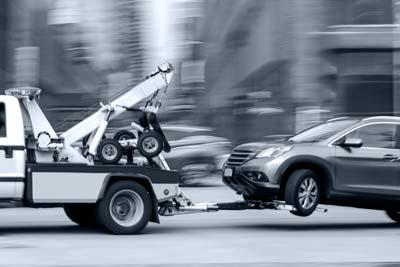
Running out of fuel is one of those vehicle problems that can happen even when a driver normally pays close attention to the fuel gauge. A delayed trip, an unfamiliar route, heavy traffic, or a warning light that was overlooked can leave a vehicle stopped with no practical way to continue.
The first response should not be to panic or attempt an unsafe solution. The driver needs to consider where the vehicle has stopped, how exposed it is to traffic, and whether fuel delivery can resolve the problem. If the vehicle has another mechanical issue or cannot safely continue after receiving fuel, towing may become the more appropriate option.
Knowing how to handle the situation can make requesting a Towing service Chino Hills CA much more straightforward when fuel loss is accompanied by another vehicle problem.
Running Out of Fuel Is More Than an Inconvenience
An empty fuel tank means the engine cannot continue operating normally, but the surrounding circumstances determine how serious the situation becomes.
A vehicle stopped in a safe parking area is very different from one that has stopped near moving traffic. The second situation requires greater attention to personal safety before thinking about the fuel problem itself.
Drivers should avoid walking along a busy roadway looking for fuel unless there is a genuinely safe route to do so. They should also avoid placing themselves in a position where passing vehicles create an unnecessary hazard.
If the vehicle is in an immediately dangerous location, emergency assistance may be appropriate. Otherwise, roadside assistance can often be considered when the main problem is an empty tank.
What Should You Do First After Running Out of Fuel?
Once the vehicle has stopped, take a few moments to assess the surroundings instead of immediately leaving the vehicle.
Useful first steps include:
Turn on hazard lights when appropriate.
Determine whether the vehicle is safely away from moving traffic.
Stay alert to surrounding vehicles and road conditions.
Avoid attempting to push the vehicle in an unsafe area.
Identify the most accurate location you can provide to a roadside provider.
Determine whether the problem appears to be an empty tank or something more serious.
If the vehicle stopped unexpectedly even though fuel was available, do not automatically assume that adding fuel will solve the problem. A stalled vehicle can have several possible causes.
When Can Roadside Fuel Delivery Solve the Problem?
If an otherwise functional vehicle has simply run out of fuel, roadside fuel delivery may provide a practical solution. A service provider can bring an appropriate amount of fuel so the driver can address the immediate problem without walking to a fuel station.
Roadside Fuel Delivery Chino Hills CA can be relevant when the vehicle's main issue is an empty tank and the location is suitable for roadside assistance.
However, fuel delivery should not be treated as a universal solution for every vehicle that has stopped. If the engine does not restart after the fuel issue has been addressed, or if other warning signs are present, the vehicle may need additional diagnosis or transportation.
How Can You Tell If the Problem Is Actually Fuel?
Sometimes a vehicle stops shortly after the driver notices the fuel gauge is low. In other situations, the cause is less obvious.
A driver may suspect an empty tank when:
The fuel gauge was already near empty.
The vehicle lost power after prolonged driving.
The engine stopped without another obvious warning.
The driver realizes the last fuel stop was much farther back than expected.
But symptoms can overlap with other mechanical problems. If the vehicle still refuses to operate after the fuel issue has been addressed, repeatedly attempting to restart it may not be useful.
The safest approach is to explain the symptoms to the roadside provider rather than assuming the cause.
A Simple Decision: Fuel Delivery or Towing?
The choice often depends on whether adding fuel is likely to make the vehicle usable again.
Situation | Practical response |
Vehicle ran out of fuel and appears otherwise normal | Consider roadside fuel delivery |
Vehicle has a flat or severely damaged tire | Consider appropriate roadside assistance or towing |
Vehicle will not restart after fuel is added | Professional diagnosis or towing may be needed |
Vehicle has collision damage | Towing may be more appropriate |
Vehicle has serious warning signs | Avoid driving and seek professional assistance |
Vehicle is in an unsafe location | Prioritize safety and appropriate emergency assistance |
This is not a substitute for professional assessment. The actual response depends on the vehicle and circumstances.
What Information Helps a Roadside Provider?
A roadside request becomes easier to handle when the driver can describe the situation clearly.
Provide:
Exact or approximate location: Mention the road, nearby intersection, parking area, or recognizable landmark.
Vehicle information: Give the make, model, and general vehicle type when known.
Problem description: Explain that the vehicle appears to have run out of fuel and mention anything unusual that happened beforehand.
Vehicle condition: Say whether the vehicle starts, rolls, or has additional problems.
Access information: Explain whether the vehicle is in a parking lot, on a narrow street, beside a roadway, or somewhere with limited access.
For larger vehicles, accurate information becomes especially important because equipment requirements can differ from those for ordinary passenger vehicles.
Things Drivers Often Overlook
Running out of fuel creates a strong temptation to focus on the fuel itself and ignore other details.
One overlooked issue is vehicle location. A provider may need clear directions to reach a vehicle that is not at a normal address.
Another is the condition of the vehicle. If the vehicle was already experiencing overheating, unusual noises, warning lights, or performance problems before it stopped, that information should be shared.
The final issue is the destination. If fuel does not resolve the problem and a tow becomes necessary, knowing where the vehicle should go can help avoid delays later.
When Is Towing a Better Option?
Towing becomes more appropriate when the vehicle cannot safely or reliably continue.
For example, imagine a driver runs out of fuel and receives enough fuel to restart the vehicle. If the engine then produces an unusual noise, warning lights appear, or the vehicle develops a steering or braking problem, continuing to drive may not be sensible.
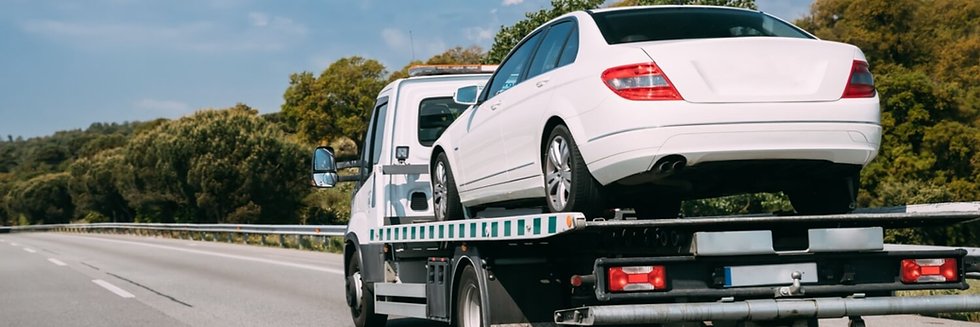
In that situation, a Car Towing service may be more appropriate than repeatedly trying to operate the vehicle.
The same principle applies after a collision. Even if a damaged vehicle appears capable of moving, hidden problems can make continued driving unsafe. Professional assessment and transportation may be preferable to taking an unnecessary risk.
Safety Matters More Than Reaching the Next Gas Station
Drivers sometimes view fuel-related problems as minor because fuel is normally easy to obtain. The roadside environment can make the situation much more serious.
Avoid:
Walking beside high-speed traffic without a safe route.
Standing between the vehicle and moving traffic.
Attempting to push a vehicle in an unsafe roadway position.
Using unsuitable containers or handling fuel improperly.
Continuing to drive when another mechanical problem is present.
Ignoring a dangerous vehicle position simply because fuel is the immediate concern.
If conditions are unsafe, personal safety should come before solving the fuel problem.
How to Reduce the Chance of Being Stranded
Preventing an empty tank is usually easier than dealing with one after it happens.
Simple habits can help:
Pay attention to the fuel gauge. Do not rely on reaching a particular number of miles after the warning appears.
Plan longer drives. On unfamiliar routes, identify reasonable opportunities to refuel rather than waiting until the tank is nearly empty.
Consider traffic conditions. A short distance can take much longer in congestion.
Keep your phone charged. Communication becomes particularly useful during unexpected roadside problems.
Know your assistance options. Having roadside assistance information available can save time during a stressful situation.
These steps do not eliminate breakdowns, but they can reduce the likelihood of being caught without a practical option.
What If Fuel Delivery Does Not Fix the Problem?
Adding fuel does not guarantee that a vehicle will return to normal operation. If the engine still will not start, the vehicle may have another issue.
At that point, avoid turning a roadside inconvenience into a larger mechanical problem by repeatedly attempting unsafe troubleshooting. Explain what happened to the provider and describe any warning signs that appeared.
A vehicle that cannot operate reliably may need to be transported to a suitable repair location rather than driven there.
Frequently Asked Questions
Can roadside assistance bring fuel to a stranded vehicle?
Depending on the provider and service area, roadside assistance may include fuel delivery. Availability and service terms can vary, so drivers should confirm what assistance is available when requesting help.
Should I drive to a gas station after running out of fuel?
If the vehicle has no fuel, driving to a station is not possible. Walking for fuel may also be unsafe depending on the location. Consider professional roadside assistance instead, particularly when traffic or road conditions create a hazard.
What if my vehicle does not start after receiving fuel?
If adding fuel does not restore normal operation, another problem may be present. Professional roadside assistance or towing may be appropriate rather than continuing to attempt to drive the vehicle.
Does running out of fuel always require towing?
No. If the vehicle is otherwise functional, fuel delivery may resolve the immediate problem. Towing becomes more relevant when the vehicle has another issue or cannot safely continue.
What should I tell a roadside provider?
Give your location, vehicle details, the apparent problem, the vehicle's current condition, and any important access information. This helps the provider understand what type of assistance may be needed.
A Practical Plan for Fuel-Related Roadside Problems
Running out of fuel does not automatically mean a vehicle needs to be towed. The key is to separate the fuel problem from any other mechanical or safety issue.
If the vehicle is safely positioned and otherwise appears functional, roadside fuel delivery may address the immediate problem. If the vehicle remains disabled, shows serious warning signs, or has damage that makes driving unsafe, professional towing may be the more practical next step.
The best response is therefore simple: protect yourself from traffic hazards, provide accurate information, and choose assistance based on the vehicle's actual condition rather than convenience alone.


Comments