Towing Service Milwaukee, WI: A Practical Guide for Roadside Emergencies
A vehicle breakdown can leave you with an important decision: should you try to fix the problem where you are, arrange roadside assistance, or have the vehicle transported? The right choice depends on the vehicle's condition, your location, and whether continuing to drive would be safe.
For drivers looking for Towing service Milwaukee, WI, understanding when towing is actually necessary can make a stressful situation easier to manage. A dead battery, flat tire, collision, mechanical failure, or locked vehicle may require different types of assistance.
This guide explains how to recognize a towing situation, what information to provide when requesting help, and how to stay safer while waiting for assistance.
When Does a Vehicle Need Towing?
A vehicle generally needs towing when it cannot safely or reliably continue under its own power.
Some common situations include:
Serious engine or transmission problems
Collision damage
A damaged or unsafe wheel
A vehicle that will not start
A flat tire that cannot be safely changed
A vehicle stuck in a difficult location
Steering or braking problems
Mechanical issues that could become worse if the vehicle is driven
The important question is not simply whether the vehicle can move. The better question is whether it can move safely.
For example, an engine may start after several attempts, but that does not necessarily mean the vehicle should be driven. Problems involving brakes, steering, suspension, tires, or other critical components can make driving unsafe.
What Should You Do Before a Tow Truck Arrives?
Safety should come before trying to diagnose or repair the vehicle.
If possible, move the vehicle away from active traffic only when doing so is safe. Turn on the hazard lights and avoid standing close to moving vehicles.
While waiting for assistance:
Identify your exact location. Note the street, nearby intersection, direction of travel, parking area, or recognizable landmark.
Turn on hazard lights. This can help make the disabled vehicle more visible.
Stay in a safe location. Avoid standing beside the vehicle when traffic is moving nearby.
Describe the problem accurately. Explain whether the vehicle starts, rolls, has collision damage, or has a flat tire.
Mention unusual conditions. Tell the provider if the vehicle is stuck, has locked wheels, or is located somewhere with limited access.
If the vehicle is involved in a serious crash or creates an immediate danger to people, contact emergency services as appropriate rather than treating the situation as a routine towing request.
Towing Service Milwaukee, WI: When Is It the Right Choice?
Towing service Milwaukee, WI can be appropriate when a vehicle cannot safely reach its destination on its own.
A few examples include a vehicle that has stopped running, suffered significant collision damage, developed a serious mechanical problem, or cannot be safely operated because of a tire, wheel, steering, or braking issue.
Towing can also be useful when a driver does not want to risk turning a minor mechanical problem into a larger one by continuing to drive.
The decision should be based on the vehicle's condition rather than simply how close the destination is. Driving a vehicle with a serious safety problem for “just a few more miles” can create unnecessary risk.
Roadside Assistance vs. Towing
Roadside assistance and towing are related, but they do not always mean the same thing.
Roadside assistance is generally intended to resolve a problem where the vehicle is located. Depending on the situation, this may include services such as a jump start, tire assistance, fuel delivery, or vehicle-entry assistance.
Towing, on the other hand, involves transporting the vehicle to another location.
A simple way to understand the difference is:
If the problem can be safely resolved where the vehicle is located, roadside assistance may be enough. If the vehicle cannot safely continue, towing may be necessary.
This distinction helps drivers avoid both unnecessary towing and unsafe attempts to drive a disabled vehicle.
What to Know About Car Lockouts
Getting locked out of a vehicle can be frustrating, especially when the keys are inside and there is no spare available.
A Car Lockout Service Milwaukee, WI provider may be able to assist with vehicle entry without requiring the vehicle to be transported. The appropriate approach depends on the vehicle and its locking system.
Drivers should avoid forcing a door, breaking a window, or using improvised tools. These actions can cause unnecessary damage and may turn a simple lockout into a more expensive problem.
A lockout becomes an emergency when a child, vulnerable person, or animal is trapped inside a vehicle. In those circumstances, emergency services should be contacted immediately rather than waiting for routine assistance.
How a Car Towing Service Can Help
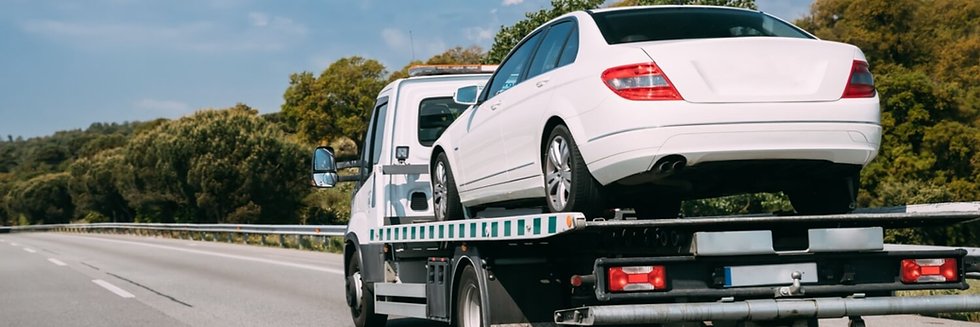
A Car Towing service may be used to transport a disabled vehicle to a repair shop, residence, storage location, or another appropriate destination.
The method of transportation can depend on the vehicle's condition. A normal passenger car may require different handling from a collision-damaged vehicle, a vehicle with locked wheels, or one that cannot roll normally.
When requesting service, provide as much useful information as possible.
For example, tell the provider:
The vehicle's make and model
Whether the engine starts
Whether the vehicle can roll
Whether the tires are inflated
Whether there is collision damage
Whether the steering or wheels appear damaged
Where the vehicle is located
Whether the vehicle is in a garage, parking structure, or restricted-access area
Accurate information helps the provider understand the situation before assistance is dispatched.
What Drivers Often Overlook
One detail that is easy to overlook during a breakdown is the vehicle's precise location.
A driver may know they are somewhere along a major Milwaukee street, but that information may not identify the vehicle's exact position. A nearby intersection, business, parking lot, highway exit, or direction of travel can provide much better context.
Another overlooked issue is the condition of the vehicle.
A driver may simply report, “My car won't move,” without mentioning that one wheel is damaged or that the vehicle was involved in a collision. Those details can matter when determining how the vehicle should be handled.
Before requesting assistance, take a moment to consider:
Can the vehicle move at all?
Can it roll normally?
Is it blocking traffic?
Is there visible damage?
Are the keys available?
Is the vehicle in a difficult-to-access location?
Is anyone inside the vehicle who needs immediate help?
A Simple Way to Decide What You Need
When a vehicle problem occurs, use this basic decision process.
1. Is the vehicle safe to drive?
If there is a problem with braking, steering, tires, wheels, suspension, or another critical system, avoid driving until the situation has been properly assessed.
2. Can the problem be resolved at the location?
A dead battery, lockout, or certain minor roadside problems may be handled without transporting the vehicle.
3. Is the vehicle creating a hazard?
If the vehicle is stopped in an active traffic lane or another dangerous position, personal safety should take priority over attempting a repair.
4. Does the vehicle need transportation?
If it cannot safely continue, towing may be the appropriate solution.
5. Does the provider need special information?
Always mention collision damage, locked wheels, difficult access, or any other condition that could affect vehicle handling.
Preparing Before a Roadside Emergency
Preparation cannot prevent every breakdown, but it can make an unexpected problem easier to manage.
Consider keeping the following information accessible:
Vehicle registration information
Insurance information
Emergency contacts
Roadside assistance information, if included with your coverage
A phone charger or power bank
A flashlight
Basic emergency supplies appropriate for your vehicle
It is also useful to know whether your insurance company, vehicle manufacturer, dealership, membership organization, or another service already provides roadside assistance.
Knowing what coverage you have before an emergency occurs can save time when you actually need help.
Common Towing Mistakes to Avoid
Trying to drive a seriously damaged vehicle
A vehicle may appear capable of moving while still having a serious safety problem. Do not assume that a running engine means the vehicle is safe to drive.
Standing beside traffic
A disabled vehicle can expose occupants to passing traffic. Stay in a safer location whenever practical.
Attempting an improvised lockout
Using makeshift tools to open a locked vehicle can damage doors, windows, weather seals, or electronic components.
Giving incomplete location details
Accurate location information makes it easier to identify where assistance is needed.
Forgetting to explain the vehicle's condition
Tell the towing provider if the vehicle is stuck, damaged, unable to roll, or difficult to access.
Frequently Asked Questions
When should I call a towing service?
Call for towing when the vehicle cannot safely continue, has significant mechanical or collision damage, or needs transportation to another location.
Can a car lockout be handled without towing?
Often, yes. Vehicle-entry assistance may resolve a lockout without moving the car. However, the appropriate solution depends on the vehicle and the circumstances.
Should I drive after a minor collision?
Do not assume a vehicle is safe to drive simply because the visible damage appears minor. If steering, braking, tires, wheels, or other critical components may be affected, professional assessment is appropriate.
What information should I give when requesting towing?
Provide your location, vehicle type, problem description, whether the vehicle can start or roll, and any collision or access issues.
Is towing necessary for every breakdown?
No. Some problems can potentially be resolved through roadside assistance. Towing becomes relevant when the vehicle cannot safely or practically continue.
Final Takeaway
A vehicle emergency does not always require towing, but it does require a careful decision about safety. Drivers should avoid continuing to operate a vehicle when serious mechanical, tire, steering, braking, or collision-related problems make driving questionable.
For Milwaukee drivers, the most practical approach is to identify the problem, provide an accurate location, explain the vehicle's condition, and choose assistance based on what the vehicle can safely do. Whether the situation involves a breakdown, lockout, or disabled vehicle, clear information and a safety-first approach can make roadside assistance much easier to manage.


Comments