Towing Service Sacramento, CA: A Practical Guide to Roadside Emergencies
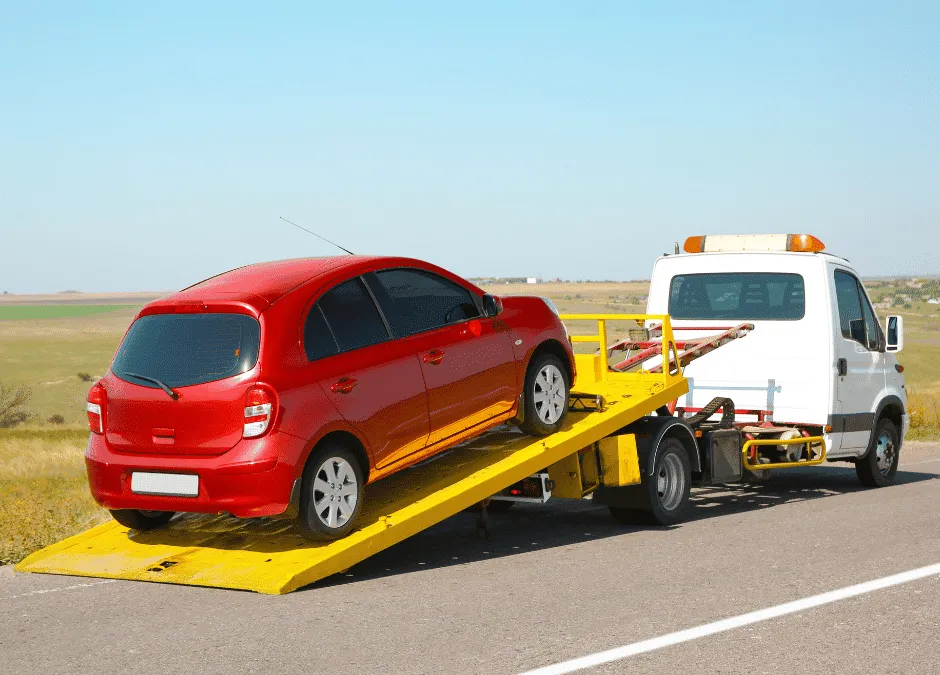
A vehicle can become difficult or impossible to drive for many reasons. A dead battery, overheating engine, damaged tire, empty fuel tank, collision, or sudden mechanical problem can leave a driver stranded with little warning. The first priority is not getting back on the road as quickly as possible—it is getting to a safe position and deciding what type of assistance the vehicle actually needs.
For Sacramento drivers, understanding the difference between roadside assistance and towing can make a stressful situation easier to manage. Some problems can be resolved at the roadside, while others require the vehicle to be transported instead of driven farther.
What Should You Do When Your Vehicle Stops Working?
Start by assessing your surroundings rather than immediately trying to diagnose the vehicle.
If the vehicle is still moving, guide it to the safest practical location away from active traffic when possible. Turn on the hazard lights and remain aware of nearby vehicles. If the vehicle is stopped in a dangerous position or there is an immediate threat to personal safety, contacting emergency services may be more appropriate than attempting a roadside repair.
Once you are in a safer position, consider three basic questions:
Is the vehicle in a location where it can safely remain?
Is the problem something that can reasonably be addressed at the roadside?
Would driving the vehicle farther create additional risk or damage?
These questions help determine whether you need a roadside service or transportation to another location.
Which Roadside Problems May Be Solved Without Towing?
Not every breakdown requires a tow truck. Certain common problems may be addressed through roadside assistance if the vehicle and surrounding conditions make the service reasonably safe.
Examples can include:
A discharged vehicle battery
A vehicle locked with the keys inside
An empty fuel tank
A flat or damaged tire
A vehicle that needs a basic roadside service
Minor problems that do not prevent the vehicle from being driven safely afterward
The appropriate service depends on the vehicle, the actual problem, and the roadside conditions. A problem that looks minor may still require towing if the vehicle cannot be safely operated afterward.
When Is Towing the More Practical Choice?
Towing becomes more appropriate when the vehicle cannot safely or reliably continue under its own power. A serious mechanical failure, collision damage, major wheel or tire problem, overheating, or other significant issue may make continued driving unsafe.
When transportation is necessary, a Towing service Sacramento, CA provider can be part of the solution by moving the vehicle to a repair facility, residence, or another suitable destination.
Before arranging a tow, provide useful information such as:
Vehicle make, model, and approximate size
Your current location
The vehicle's condition
Whether it can roll and steer
Any visible damage
Your intended destination, if known
Accurate information helps the provider understand the situation and determine what type of towing equipment may be suitable.
How Can You Tell If Driving Further Is a Bad Idea?
Drivers sometimes continue driving because the vehicle still appears capable of moving. That can be risky when the underlying problem is serious.
Avoid continuing to drive when you notice signs such as:
Significant loss of braking or steering ability
Severe overheating
Smoke or unusual burning smells
Major collision damage
A wheel or tire that appears seriously damaged
Unusual mechanical noises accompanied by poor vehicle performance
Warning signs that indicate the vehicle may not be operating normally
The exact meaning of a warning light or mechanical symptom can vary. If you are uncertain whether the vehicle is safe to drive, stopping and obtaining professional assistance is generally safer than taking a chance on reaching a destination.
What Should You Tell a Roadside Provider?
A clear description of the problem can save time and reduce confusion.
Instead of simply saying that the vehicle "broke down," explain what happened immediately before the problem occurred. For example, mention whether the engine stopped, the vehicle would not start, a tire was damaged, or the vehicle began overheating.
Also provide your location as accurately as possible. If you are near a major road, intersection, landmark, parking area, or recognizable building, that information can help identify your position.
If the vehicle is on a busy roadway, describe its position relative to traffic when it is safe to do so. Do not stand in an active traffic lane to obtain details or wait for assistance.
Roadside Emergency Service Sacramento, CA: When the Situation Needs Prompt Attention
A roadside problem can become more complicated when the vehicle is stopped in an exposed or hazardous location. In those circumstances, Roadside Emergency Service Sacramento, CA may be relevant when the driver needs assistance with a disabled vehicle and cannot safely resolve the problem alone.
The key consideration is not simply how inconvenient the breakdown is. Location and safety matter as well.
For example, a vehicle stopped in a relatively protected parking area presents different risks from one disabled beside fast-moving traffic. Weather, visibility, road conditions, vehicle position, and the driver's ability to safely remain outside the vehicle can all affect the situation.
If there is an immediate danger to people, contact the appropriate emergency service rather than treating the situation as an ordinary roadside repair.
What Drivers Often Overlook During a Breakdown
One overlooked issue is the difference between fixing the immediate symptom and solving the underlying problem.
A vehicle may restart after a battery-related service but still have an unresolved mechanical or electrical issue. Likewise, adding fuel may get a vehicle moving again, but it does not address why the tank became empty. A tire may be changed, yet the vehicle may still require inspection if the tire or wheel suffered additional damage.
A roadside solution should therefore be viewed as a way to address a specific problem—not automatically as proof that the vehicle is ready for normal driving.
What Does a Safe Breakdown Checklist Look Like?
Keeping a simple plan can reduce confusion when something goes wrong.
Before a trip:
Keep basic vehicle information accessible.
Check tire condition and fluid levels as appropriate.
Keep a charged phone available.
Know how to access your vehicle's emergency equipment.
Consider keeping a roadside assistance contact available.
During a breakdown:
Move to a safer position if possible.
Activate hazard lights.
Assess whether anyone is injured or in immediate danger.
Avoid standing in active traffic.
Describe the vehicle problem accurately.
Arrange the appropriate roadside service or tow.
Follow professional instructions while waiting.
Preparation does not prevent every breakdown, but it can make the response more organized.
How Does Car Towing Service Fit Into a Breakdown Plan?
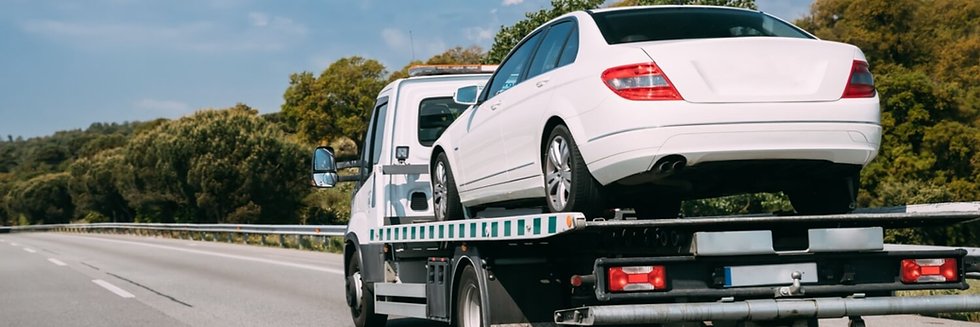
A Car Towing service is generally used when a passenger vehicle needs to be transported rather than driven. The reason may be mechanical failure, collision damage, a serious tire or wheel problem, or another condition that makes continued travel unsuitable.
Towing is not necessarily the first response to every roadside problem. It becomes useful when the vehicle's condition, location, or safety concerns make driving impractical.
The destination should also be considered. Depending on the circumstances, a vehicle may need to go to a repair facility or another appropriate location rather than simply being moved a short distance.
Real-World Considerations Before You Request a Tow
The fastest decision is not always the best-informed decision. Before arranging transportation, gather the details that affect the service.
Consider:
Vehicle condition: Can it roll, steer, and remain stable?
Location: Is it in a parking lot, residential area, roadside, or another setting?
Damage: Is there visible collision or mechanical damage?
Access: Can a tow vehicle safely reach the disabled vehicle?
Destination: Where does the vehicle need to go?
Occupants: Does everyone have a safe place to wait?
If you are unsure about any of these points, explain what you can observe rather than guessing. Clear information is more useful than an inaccurate diagnosis.
Common Mistakes to Avoid
A roadside emergency can become more dangerous when a driver tries to solve too much without the right equipment or conditions.
Avoid:
Attempting repairs while standing in moving traffic
Continuing to drive a vehicle showing serious mechanical problems
Ignoring smoke, severe overheating, or major damage
Getting underneath a vehicle without proper equipment and safe conditions
Walking along a busy roadway to find help
Assuming a temporary roadside fix means the vehicle is fully repaired
Giving an inaccurate location to the service provider
When conditions are unsafe, professional assistance is usually preferable to improvising a repair.
Frequently Asked Questions
Does every breakdown require towing?
No. Some problems can be addressed through roadside assistance. Towing may be necessary when the vehicle cannot safely continue or requires transportation to another location.
What information should I provide when requesting towing?
Provide your location, vehicle type, condition, visible damage, and whether the vehicle can roll and steer. If possible, also explain where you want the vehicle taken.
Is it safe to inspect my vehicle beside a busy road?
Not necessarily. Active traffic creates significant risk. If you cannot reach a safe location, avoid unnecessary exposure outside the vehicle and seek appropriate assistance.
Can roadside assistance determine whether my vehicle needs a tow?
A roadside professional can assess the reported problem and available service options, but the appropriate response depends on the vehicle's condition and circumstances.
What should I do if the vehicle stops in an unsafe location?
Focus first on immediate safety. Use hazard lights when appropriate, avoid standing in traffic, and contact emergency services if there is an immediate danger.
The Practical Takeaway
A roadside breakdown is easier to manage when the decision is based on safety rather than urgency alone. First establish a safer position, then determine whether the problem can be resolved where the vehicle sits or whether transportation is needed.
For Sacramento drivers, knowing when roadside assistance is enough—and when a tow is the safer practical option—can prevent an already stressful vehicle problem from becoming a larger one. Clear information, cautious decisions, and appropriate professional help are the most useful tools when a vehicle cannot continue normally.


Comments