Towing Service West Orange, NJ: A Practical Guide for Drivers Facing Roadside Trouble

A vehicle can become difficult to deal with when it suddenly stops running, develops a flat tire, or refuses to start. The first priority is not figuring out how to repair everything yourself. It is getting yourself and your passengers into a safer position and deciding what type of roadside help the vehicle actually needs.
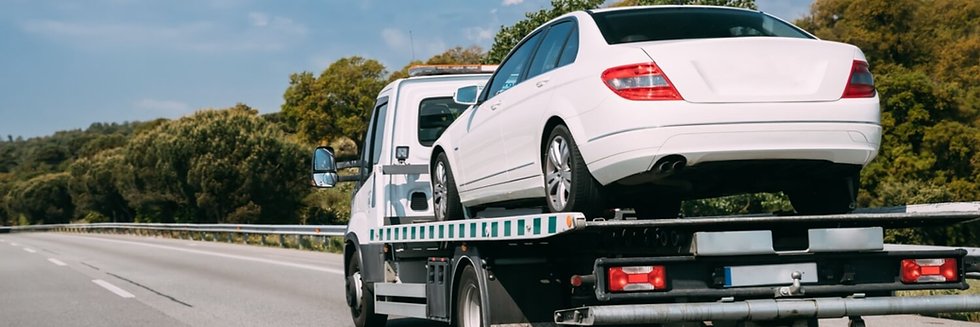
For drivers in West Orange, NJ, understanding the difference between a minor roadside problem and a situation that requires towing service can make an unexpected breakdown much easier to manage. A dead battery may only require a jump-start, while a damaged wheel, overheated engine, collision, or vehicle that cannot move safely may need transportation.
This guide explains how to assess the situation, what information to provide when requesting assistance, and which mistakes to avoid while waiting for help.
When Does a Vehicle Actually Need a Tow?
A tow is generally appropriate when the vehicle cannot be driven safely or reliably to another location.
Some problems are obvious. A vehicle involved in a collision, for example, may have visible damage that makes continued driving unsafe. Other situations are less clear. A warning light, unusual noise, fluid leak, or serious steering problem may indicate that driving farther could cause additional damage.
Consider requesting a tow when:
The vehicle will not start and the cause is unclear.
The engine has serious overheating symptoms.
The car has significant collision damage.
A wheel, suspension, or steering component appears damaged.
The vehicle is stuck and cannot be moved safely.
Continuing to drive could put you, passengers, or other motorists at risk.
A mechanical problem has left the vehicle unreliable.
A tow is not simply about moving a car from one location to another. It can prevent a driver from turning a manageable mechanical issue into a larger safety or repair problem.
What Should You Do Immediately After a Breakdown?
The first few minutes matter. If your vehicle stops unexpectedly, focus on safety before troubleshooting.
If possible, move the vehicle away from moving traffic and toward a safer location. Turn on the hazard lights so other drivers can see that something is wrong.
Once stopped, avoid standing near traffic or walking around the roadway unnecessarily. If you are on or near a busy road and remaining inside the vehicle is unsafe, follow local emergency guidance and move to a safer location only when you can do so without entering danger.
Then assess the situation from a safe position.
Ask yourself:
Can the vehicle move safely?
Is there visible damage or smoke?
Is there a warning light or unusual noise?
Is the problem limited to the battery or tire?
Would driving farther potentially make the problem worse?
You do not need to diagnose the entire vehicle. Your goal is to provide useful information to the roadside professional.
Towing or Roadside Assistance: Which One Do You Need?
Not every roadside problem requires a tow truck.
A battery-related issue, for instance, may be resolved with a jump-start if the battery and vehicle are otherwise suitable for it. A flat tire may be handled through a tire-change service when the wheel and tire can safely be serviced at the location.
On the other hand, roadside assistance may not be enough when the vehicle has serious mechanical damage or cannot safely return to the road.
Think of the decision this way:
Roadside assistance can be appropriate when the vehicle has a problem that may be safely addressed where it is.
Towing becomes more relevant when the vehicle needs to be transported because it cannot safely or reliably continue driving.
The exact service available depends on the provider and the condition of the vehicle.
Battery Problems Can Look Like Bigger Mechanical Failures
A vehicle that suddenly refuses to start can create confusion. Drivers may hear clicking, notice weak lights, or find that the engine does not crank normally.
A weak or discharged battery is one possible cause, but it is not the only one. Problems involving the starter, charging system, electrical components, or other parts can produce similar symptoms.
If the issue appears battery-related, Battery service West Orange, NJ can be a practical option to consider when available. A professional can assess the roadside situation and determine whether a jump-start or another solution is appropriate.
Avoid repeatedly attempting to start a vehicle when doing so is clearly not helping. If the car still will not start after appropriate assistance, the next step may be diagnosis or towing rather than continued attempts.
A Flat Tire Does Not Always Mean You Should Drive to a Repair Shop
A flat tire may seem like a small inconvenience, but driving on a severely deflated tire can damage the tire and, depending on the vehicle, other components.
If the tire is flat, move to a safe location if you can do so without continuing to drive unnecessarily. Do not attempt a roadside tire change in a dangerous traffic environment.
A professional tire-change service may be suitable when the situation can be safely handled at the roadside. However, if the tire is damaged beyond repair, the wheel is affected, or the vehicle cannot safely remain where it is, towing may be the better option.
Drivers should also avoid assuming that every tire problem can be solved with an air pump. A puncture, sidewall damage, or wheel problem requires different consideration.
What Information Should You Give a Towing Provider?
When requesting a Car Towing service, clear information can help the provider understand what equipment or assistance may be required.
Be prepared to provide:
Your current location or a nearby identifiable landmark.
The vehicle's make, model, and approximate size.
Whether the vehicle can roll and steer.
Whether the vehicle starts.
The nature of the problem, if known.
Whether there is visible collision or mechanical damage.
Whether the vehicle is in a parking area, driveway, shoulder, or another location.
Any special circumstances that could affect access.
If the vehicle is carrying unusual loads or has specific access limitations, mention those details as well.
You do not need to use technical terminology. A simple explanation such as "the car starts but will not move" or "the engine will not start and the battery appears weak" can be more useful than guessing at the exact mechanical failure.
Things Drivers Often Overlook During a Breakdown
One of the most common mistakes is focusing entirely on the vehicle while forgetting the surrounding environment.
A breakdown on a quiet residential street is different from one on a busy roadway. Weather, visibility, traffic speed, lighting, and the vehicle's position can all affect what is safest.
Drivers should also avoid accepting roadside help without first understanding what service is being provided. If towing is required, it can be useful to ask about the destination, estimated charges, payment requirements, and any conditions that apply before authorizing service.
Availability and pricing can vary between providers, so asking questions upfront can reduce surprises.
When You Should Not Try to Fix the Problem Yourself
Some roadside tasks are reasonable only when the environment is safe and the driver understands the procedure. Others are better left to trained professionals.
Do not attempt roadside repairs if:
Traffic is passing close to the vehicle.
You would need to stand in an active travel lane.
The vehicle is smoking or appears to be on fire.
There is a significant fuel or fluid leak.
The vehicle has major collision damage.
You are unsure how to safely perform the repair.
Weather or visibility makes roadside work hazardous.
If there is immediate danger, contact appropriate emergency services rather than treating the situation as an ordinary breakdown.
How to Make a Future Breakdown Easier
A little preparation can save time when something goes wrong.
Keep basic emergency supplies in the vehicle, such as:
A phone charger or backup power source.
A flashlight.
Reflective safety equipment where appropriate.
Basic vehicle documentation.
Necessary medications or personal essentials for longer trips.
Emergency contact information.
It is also worth knowing whether your insurance policy, vehicle warranty, roadside membership, or another service already includes roadside assistance.
Before a long drive, check your tire condition and pressure, make sure warning lights are not being ignored, and address obvious maintenance concerns. Prevention cannot eliminate every breakdown, but it can reduce avoidable roadside problems.
A Simple Breakdown Decision Checklist
When your vehicle stops working, use this sequence:
1. Get safe.
Move away from active traffic if it can be done safely and use hazard lights when appropriate.
2. Observe the problem.
Determine whether the issue appears related to the battery, tire, fuel, mechanical system, or something else.
3. Avoid unnecessary driving.
If the vehicle appears unsafe or seriously damaged, do not attempt to reach a repair shop by driving it.
4. Choose the appropriate assistance.
A roadside service may resolve a limited problem, while a tow may be necessary when the vehicle cannot continue.
5. Give accurate information.
Tell the provider where the vehicle is and what it can or cannot do.
6. Stay aware of traffic.
Do not put yourself in a dangerous position simply to inspect or repair the vehicle.
Frequently Asked Questions
How do I know if my car needs towing?
If the vehicle cannot move safely, has serious damage, or continuing to drive may worsen the problem, towing may be appropriate. When the issue is minor and can safely be addressed where the vehicle is located, roadside assistance may be sufficient.
Can a dead battery require towing?
Not necessarily. A discharged battery may be resolved with a jump-start. If the vehicle still will not start or another mechanical or electrical issue is suspected, towing may become necessary.
Should I drive on a flat tire to reach a repair shop?
Generally, driving on a severely flat or damaged tire should be avoided. Continuing to drive can create additional damage and may reduce vehicle control. A safe roadside solution or towing may be more appropriate.
What should I tell a towing provider?
Provide your location, vehicle information, the problem you are experiencing, and whether the vehicle can start, roll, and steer. Mention visible damage or unusual circumstances that could affect the recovery.
What if my vehicle breaks down in a dangerous location?
Prioritize personal safety rather than attempting repairs. Use hazard lights when appropriate, avoid standing in traffic, and contact appropriate roadside or emergency assistance depending on the circumstances.
The Practical Takeaway
A roadside breakdown does not always require the same solution. A weak battery, flat tire, fuel issue, and major mechanical failure each call for a different response.
The safest approach is to assess the situation without taking unnecessary risks, avoid driving a vehicle that may be unsafe, and provide accurate information when requesting assistance. Knowing when a roadside repair is reasonable—and when the vehicle should simply be transported—can make an unexpected breakdown much easier to handle.


Comments