What Drivers Should Know About Special Vehicle Towing in Stone Mountain, GA
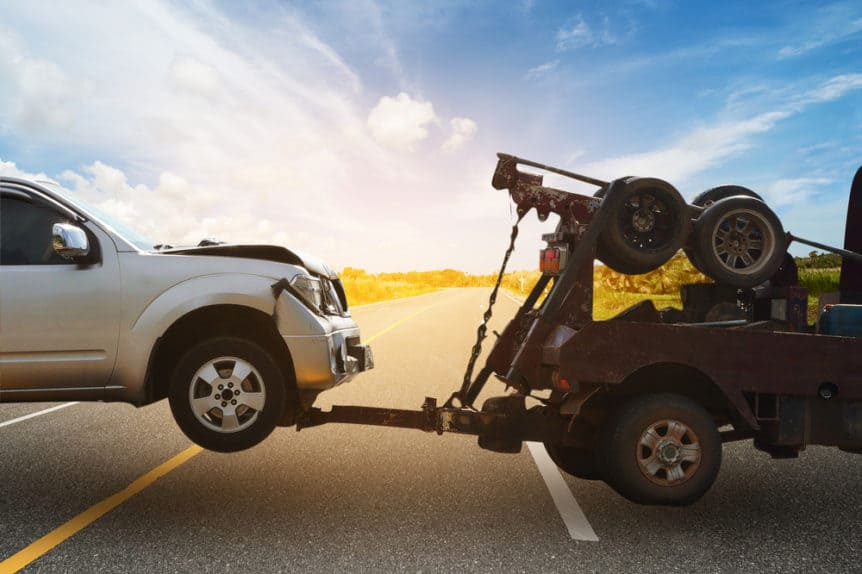
Not every vehicle can be moved safely using the same towing method. Standard passenger cars may be relatively straightforward to transport, but larger, unusual, damaged, modified, or specialty vehicles can require different equipment and handling techniques.
Special vehicle towing focuses on situations where a vehicle's size, design, condition, or recovery requirements make ordinary towing methods unsuitable. The goal is to move the vehicle while reducing the risk of additional damage and keeping the surrounding area as safe as reasonably possible.
Drivers may encounter these situations after a breakdown, collision, equipment failure, or another roadside problem. Understanding when specialized towing may be needed can help vehicle owners provide better information when requesting assistance.
Why Does the Towing Method Matter?
The towing method can affect both vehicle safety and recovery efficiency. A vehicle with damaged wheels, unusual dimensions, low ground clearance, or a nonstandard configuration may need equipment that differs from what would normally be used for a passenger car.
When arranging a Towing service Stone Mountain, GA, drivers should provide as much accurate information as possible about the vehicle and the situation. This allows the towing provider to determine what equipment may be appropriate.
Important details can include the vehicle type, approximate size, weight, location, visible damage, and whether the vehicle can move under its own power. Clear information can help prevent unnecessary delays when the towing provider arrives.
When Might Special Towing Be Necessary?
Special towing may become necessary when a vehicle cannot be handled safely with standard towing equipment. This can happen for several reasons, including unusual vehicle dimensions, significant damage, specialized construction, or difficult recovery conditions.
When a vehicle has unusual dimensions, special equipment, or damage that affects how it can be moved, Special Vehicle Towing Stone Mountain, GA may be the appropriate service to discuss with a towing provider. The right towing method depends on the vehicle's condition, size, weight, and recovery requirements, so providing accurate details can help ensure the proper equipment is selected.
Some examples include recreational vehicles, certain commercial vehicles, modified vehicles, heavy equipment, vehicles with extensive collision damage, and vehicles positioned in locations that make normal towing difficult.
The specific equipment required will depend on the circumstances. A towing provider may need to inspect the vehicle or ask additional questions before deciding how it should be recovered.
How Is Special Towing Different From Regular Car Towing?
A standard Car Towing service may be suitable for many ordinary passenger vehicles with straightforward breakdowns. However, a specialty vehicle can present additional challenges because of its size, construction, weight distribution, or condition.
For example, a vehicle with low clearance may require careful positioning to prevent contact with the road surface or towing equipment. A damaged vehicle may also need additional attention if its wheels, steering system, suspension, or frame have been affected.
The towing provider needs to consider these factors before moving the vehicle. Choosing equipment based only on the vehicle's appearance or general category may not be enough when the vehicle has unusual characteristics.
Vehicle Size and Weight Matter
Vehicle dimensions are important when planning a towing operation. A larger or heavier vehicle may require equipment with suitable capacity and configuration.
Drivers should avoid guessing about a vehicle's weight if accurate information is available from the manufacturer or vehicle documentation. Providing the correct details can help the towing provider prepare for the situation.
Weight is not the only consideration. The vehicle's length, width, height, wheel configuration, ground clearance, and center of gravity may also affect how it can be moved.
These details become particularly important when the vehicle is located in a restricted area, narrow road, parking structure, or another location where maneuvering space is limited.
What If the Vehicle Is Damaged?
Collision damage can make towing more complicated. A damaged wheel, broken suspension component, steering problem, or other mechanical issue may prevent the vehicle from being moved normally.
In these situations, drivers should explain the visible damage before assistance arrives. If a wheel is severely damaged or the vehicle cannot roll normally, that information can influence the equipment and recovery approach.
Drivers should also avoid attempting to force a badly damaged vehicle to move. Continuing to drive or manually reposition a vehicle when important components are damaged can create additional risks.
A professional assessment can help determine whether the vehicle should be lifted, winched, transported on a specialized platform, or handled using another suitable method.
What Information Should Drivers Provide?
Clear information can make the towing process easier. When contacting a towing provider, drivers should be prepared to explain:
The type and approximate size of the vehicle
The vehicle's current location
Whether it starts or moves
Any visible mechanical or collision damage
Whether the wheels can roll normally
Whether the vehicle is carrying additional equipment or cargo
Any access limitations around the vehicle
Photos may also help when they can be safely taken without standing in a dangerous location.
Accurate information does not guarantee that a particular towing method will be used, but it can help the provider prepare for the situation more effectively.
Location Can Affect the Recovery Process
The location of a disabled vehicle can be just as important as the vehicle itself. A specialty vehicle parked on a wide, open surface may be easier to access than the same vehicle positioned on a narrow road, steep driveway, crowded parking area, or restricted-access location.
Traffic conditions can also affect how recovery is performed. If the vehicle is near moving traffic, drivers should prioritize their own safety and avoid standing unnecessarily close to the roadway.
If possible, drivers should remain in a safe location while waiting for assistance and provide clear directions to the disabled vehicle.
Why Equipment Selection Matters
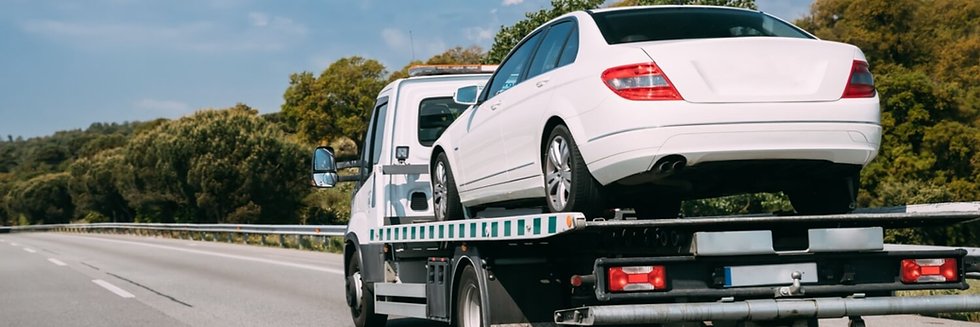
Different towing situations can require different equipment. Depending on the vehicle and its condition, a provider may use a flatbed, wheel-lift system, winching equipment, or another recovery setup.
Equipment selection should be based on the vehicle and the circumstances rather than convenience alone. Using an unsuitable method may increase the risk of vehicle damage or create additional difficulties during recovery.
For specialty vehicles, the towing provider may need more information before dispatching the appropriate equipment. This is one reason why detailed information during the initial call can be useful.
What Should Drivers Avoid During a Towing Emergency?
Drivers should avoid making a difficult towing situation more complicated. If a vehicle is damaged, unstable, or located in a dangerous position, attempting to move it without the right equipment may create additional problems.
Drivers should also avoid standing between the disabled vehicle and towing equipment during recovery. Children and other passengers should remain away from the work area.
If the vehicle is located near traffic, staying in a safe position is especially important. Roadside recovery can involve moving vehicles, cables, ramps, and heavy equipment, so maintaining distance from the active work area is a sensible precaution.
Preparing for Future Towing Needs
Vehicle owners can make future roadside situations easier by keeping basic vehicle information accessible. Knowing the vehicle's make, model, approximate dimensions, and important mechanical details can help when contacting a towing provider.
It can also be useful to know whether the vehicle has special characteristics such as low ground clearance, unusual modifications, or equipment that changes its overall dimensions.
Drivers should also keep emergency contact information available and understand basic roadside safety practices. Preparation cannot prevent every breakdown, but it can make communication and recovery more straightforward when an unexpected problem occurs.
Final Thoughts
Special towing situations require more consideration than a routine vehicle breakdown. Vehicle size, weight, design, damage, location, and accessibility can all influence how a vehicle should be moved.
Drivers can help by providing accurate information, explaining visible damage, and staying away from unsafe recovery areas. A towing provider can then evaluate the circumstances and determine what equipment and approach may be appropriate.
Knowing when a vehicle may require specialized handling can also help drivers avoid unnecessary risks. When a vehicle cannot be safely driven or moved using ordinary methods, professional towing assistance can provide a practical way to transport it to an appropriate destination.
FREQUENTLY ASKED QUESTIONS
What is special vehicle towing?
Special vehicle towing is used when a vehicle's size, design, weight, damage, or configuration requires equipment or handling beyond standard towing methods.
When might a vehicle need specialized towing?
A vehicle may need specialized towing after serious collision damage, a mechanical failure, unusual dimensions, low ground clearance, or when it cannot be safely moved using standard towing equipment.
Can a damaged vehicle be towed?
Yes, but the appropriate towing method depends on the type and extent of the damage. Drivers should explain visible damage and whether the vehicle can roll, steer, or move under its own power.
What information should I provide when requesting towing?
Provide the vehicle type, location, approximate size, condition, visible damage, and whether the vehicle can start or move. These details can help the towing provider prepare suitable equipment.
Is special vehicle towing different from regular car towing?
Yes. Regular towing may be sufficient for many standard passenger vehicles, while specialty vehicles can require different equipment because of their size, weight, configuration, or condition.
How can drivers stay safe while waiting for a tow?
Drivers should move to a safe location when possible, stay away from moving traffic and the active recovery area, and avoid attempting to move a seriously damaged vehicle without appropriate equipment.


Comments